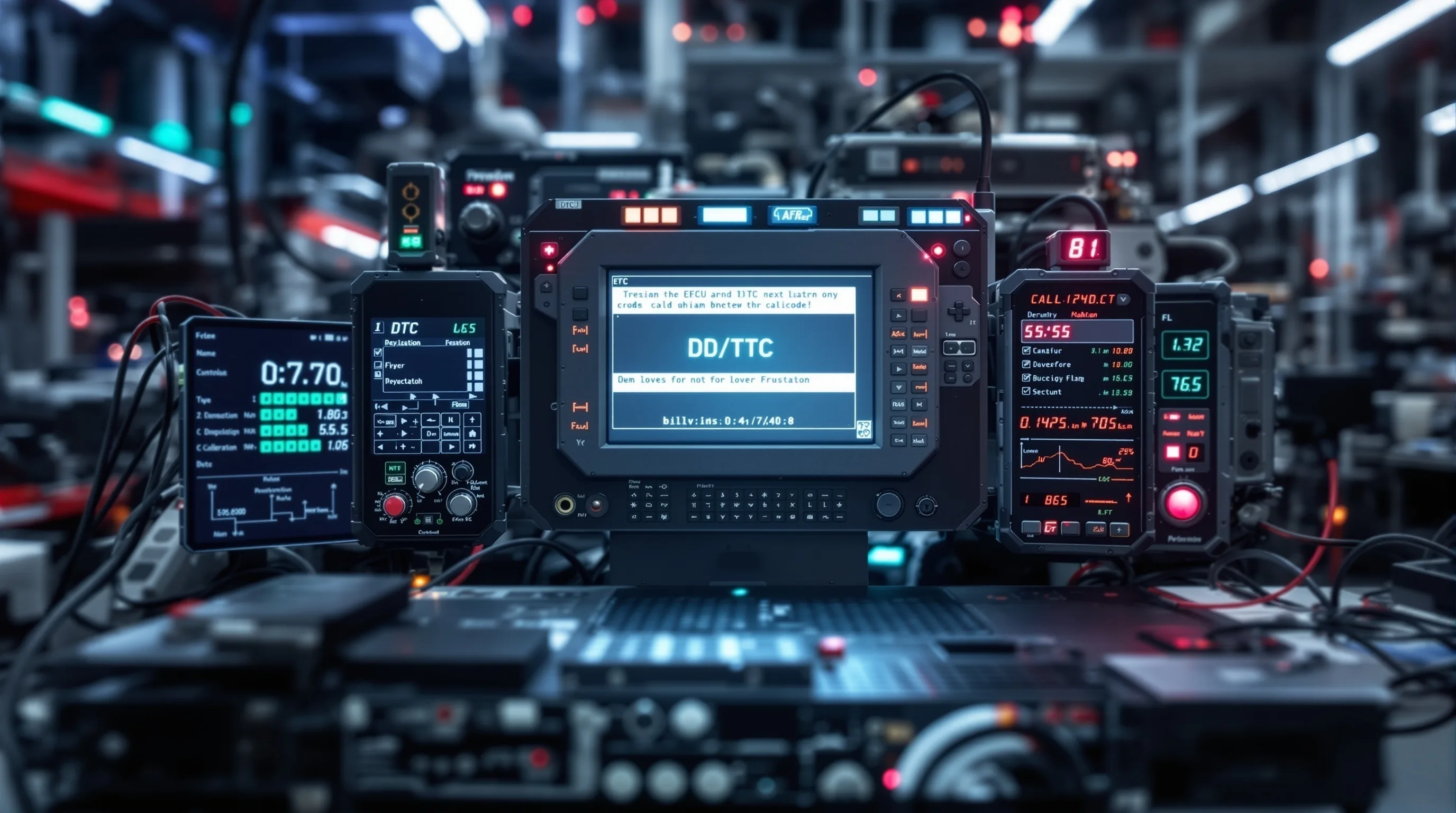
Far from being a rare problem, electronic faults that don't trigger the check engine light are becoming increasingly common in modern engines.
Introduction
.imported-article{ --bg: #06110B; --card: #12281A; --ink: #F5F7FA; --muted: #AEB8C2; --accent: #58CF0D; --accent-light: #7FE836; --accent-2: #7FE836; --line: #1C3624; --line-light: #16321F; --shadow: 0 4px 24px rgba(0,0,0,0.35); --shadow-lg: 0 12px 48px rgba(0,0,0,0.45); --radius: 12px; --radius-sm: 8px; } .imported-article *{ box-sizing: border-box; margin: 0; padding: 0; } .imported-article{ font-size: 16px; scroll-behavior: smooth; } .imported-article{ font-family: "Mona Sans", system-ui, sans-serif; color: var(--ink); background: var(--bg); line-height: 1.75; font-weight: 400; -webkit-font-smoothing: antialiased; -moz-osx-font-smoothing: grayscale; } .imported-article a{ color: var(--accent-2); text-decoration: none; transition: color 0.2s ease; } .imported-article a:hover{ color: var(--accent); text-decoration: underline; } .imported-article .container{ max-width: 800px; margin: 0 auto; padding: 40px 24px 80px; } .imported-article /* Header / Hero */ .hero{ background: linear-gradient(135deg, var(--card) 0%, var(--line-light) 100%); border: 1px solid var(--line); border-radius: var(--radius); padding: 40px 36px; margin-bottom: 32px; box-shadow: var(--shadow); } .imported-article .badge{ display: inline-flex; align-items: center; font-family: "Mona Sans", system-ui, sans-serif; font-size: 0.75rem; font-weight: 600; letter-spacing: 0.05em; text-transform: uppercase; color: var(--accent); background: rgba(88, 207, 13, 0.14); padding: 8px 14px; border-radius: 20px; margin-bottom: 20px; } .imported-article .meta{ display: flex; align-items: center; gap: 16px; font-family: "Mona Sans", system-ui, sans-serif; font-size: 0.875rem; color: var(--muted); margin-bottom: 16px; } .imported-article .meta-item{ display: flex; align-items: center; gap: 6px; } .imported-article h1{ font-family: "Mona Sans", system-ui, sans-serif; font-size: 2.25rem; font-weight: 900; line-height: 1.2; letter-spacing: -0.02em; color: var(--ink); margin-bottom: 16px; } .imported-article .subtitle{ font-size: 1.125rem; color: var(--muted); line-height: 1.6; max-width: 90%; } .imported-article /* Table of Contents */ .toc{ margin-top: 28px; padding: 24px; background: rgba(255,255,255,0.04); border: 1px solid var(--line); border-radius: var(--radius-sm); } .imported-article .toc-title{ font-family: "Mona Sans", system-ui, sans-serif; text-transform: uppercase; letter-spacing: 0.08em; font-size: 0.75rem; font-weight: 600; color: var(--accent); margin-bottom: 12px; } .imported-article .toc ul{ list-style: none; } .imported-article .toc li{ margin: 8px 0; font-family: "Mona Sans", system-ui, sans-serif; font-size: 0.9rem; } .imported-article .toc a{ color: var(--ink); } .imported-article .toc a:hover{ color: var(--accent); } .imported-article .toc .toc-sub{ margin-left: 20px; font-size: 0.85rem; color: var(--muted); } .imported-article /* Article Content */ .article{ background: var(--card); border-radius: var(--radius); border: 1px solid var(--line); padding: 48px 40px; box-shadow: var(--shadow); } .imported-article .article h2{ font-family: "Mona Sans", system-ui, sans-serif; font-size: 1.625rem; font-weight: 700; margin: 2.5rem 0 1rem; padding-top: 1.5rem; border-top: 1px solid var(--line-light); color: var(--ink); letter-spacing: -0.01em; } .imported-article .article h2:first-child{ margin-top: 0; padding-top: 0; border-top: none; } .imported-article .article h3{ font-family: "Mona Sans", system-ui, sans-serif; font-size: 1.25rem; font-weight: 700; margin: 1.75rem 0 0.75rem; color: var(--ink); } .imported-article .article p{ margin: 1rem 0; font-size: 1.0625rem; } .imported-article .article ul, .imported-article .article ol{ margin: 1rem 0 1.25rem 1.5rem; } .imported-article .article li{ margin: 0.5rem 0; font-size: 1.0625rem; } .imported-article .article li::marker{ color: var(--accent); } .imported-article .article strong{ font-weight: 600; color: var(--ink); } .imported-article .article hr{ border: none; height: 1px; background: var(--line-light); margin: 2rem 0; } .imported-article /* Tags */ .tags{ margin-top: 3rem; padding-top: 2rem; border-top: 1px solid var(--line); } .imported-article .tags h2{ font-family: "Mona Sans", system-ui, sans-serif; font-size: 0.875rem; font-weight: 600; text-transform: uppercase; letter-spacing: 0.05em; color: var(--muted); margin-bottom: 12px; border: none; padding: 0; } .imported-article .tag-list{ list-style: none; display: flex; flex-wrap: wrap; gap: 8px; } .imported-article .tag-list li{ font-family: "Mona Sans", system-ui, sans-serif; background: var(--line-light); border: 1px solid var(--line); border-radius: 20px; padding: 6px 14px; font-size: 0.8125rem; font-weight: 500; color: var(--muted); transition: all 0.2s ease; } .imported-article .tag-list li:hover{ background: rgba(88, 207, 13, 0.14); border-color: var(--accent); color: var(--accent); } .imported-article /* Footer */ .footer{ text-align: center; font-family: "Mona Sans", system-ui, sans-serif; color: var(--muted); font-size: 0.875rem; margin-top: 40px; padding-top: 24px; border-top: 1px solid var(--line); } .imported-article .footer a{ color: var(--accent); font-weight: 500; } .imported-article /* Responsive */ @media (max-width: 768px){ .container { padding: 24px 16px 60px; } .hero { padding: 28px 24px; } h1 { font-size: 1.75rem; } .article { padding: 32px 24px; } .article h2 { font-size: 1.375rem; } .article p, .article li { font-size: 1rem; } .meta { flex-wrap: wrap; gap: 10px; } } .imported-article /* Print styles */ @media print{ .toc, .tags, .badge, .footer { display: none; } .hero, .article { box-shadow: none; border: none; } body { font-size: 12pt; } } .imported-article .container{max-width:100%;padding:0;margin:0;}.meta{display:flex;flex-wrap:wrap;gap:8px 18px;align-items:center}.meta-item{display:inline-flex;gap:6px;align-items:center}.meta-item svg{width:16px;height:16px;flex:none} ReproRACE - Technical Guide By the ReproRACE Team 10-minute read Contents Why not all faults trigger the check engine light Types of electronic faults that don't trigger a warning light Minor or compensable faults Intermittent faults Early-stage faults Common electronic faults that don't trigger the check engine light 1\. MAF sensor with degraded readings 2\. MAP sensor with an unstable signal 3\. EGR system operating only partially 4\. Abnormal DPF regenerations 5\. Temperature sensors with drift 6\. Intermittent electrical faults Typical symptoms of a fault with no warning light Why ignoring these faults is a mistake What information the ECU stores even when no warning light is on Proper diagnosis of faults that don't trigger the check engine light Common mistakes in these cases “No warning light, no problem” “The diagnostic tool shows nothing” “It must be the fuel” Importance of electronic management in early detection Faults without warning lights in heavy-duty and industrial machinery Why a fault doesn't trigger the warning light Pending, intermittent, and permanent DTCs Typical faults that don't trigger the warning light Importance of freeze-frame data and history Live data for detecting silent faults Why clearing codes when no warning light is on isn't a solution Common mistakes when interpreting faults without warning lights How to prevent silent faults Relationship with emissions and limp mode Example of a fault without a warning light What to check during preventive diagnostics Common mistakes when ignoring faults without warning lights How it affects long-term reliability Recommended workshop diagnostics Conclusion Introduction One of the most confusing situations for drivers and professionals is when the vehicle doesn't show any warning lights , but the engine doesn't run as it should . There's a loss of power, increased fuel consumption, jerking, abnormal DPF regenerations, or irregular behavior… and yet, the engine warning light doesn't come on . Far from being rare, electronic faults that don't trigger the engine warning light are becoming increasingly common in modern engines. The reason is simple: the ECU operates with thresholds, priorities, and warning strategies , and not all faults are considered critical enough to alert the driver immediately. In this article, we explain why electronic faults can occur without a warning light , which types of faults are most common in these cases, and how they should be detected using advanced electronic diagnostics . Why not all faults turn on the check engine light The ECU is programmed to: Protect the engine Meet emissions regulations Avoid unnecessary warnings To do this, it classifies faults according to: Severity Frequency Impact on emissions Ability to compensate If the ECU determines that it can compensate for the fault without immediate risk , it may not turn on the warning light , even though it internally records one or more DTCs. Types of electronic faults that don't turn on the warning light There are several situations in which an electronic fault does not turn on the check engine light . Minor or compensable faults These are faults where the ECU: Adjusts parameters Corrects values Slightly reduces performance The engine continues to operate within “acceptable” limits, so no warning is generated. Intermittent faults They appear only under certain conditions: At full load When cold At certain temperatures If the fault does not recur frequently enough, the ECU does not activate the warning light , but it leaves a trace in the memory. Early-stage faults Many electronic faults start out as minor issues: Aging sensor Connector with resistance Value that drifts slowly At this early stage, there is no warning , but the problem already exists. Most common electronic faults that don't trigger the check engine light Next, we look at the electronic faults that most often don't trigger the warning light , but clearly affect engine performance. 1\. MAF sensor with degraded readings A mass air flow sensor that reads slightly outside the normal range can: Fail to generate a direct error Cause a gradual loss of power Increase fuel consumption The ECU adjusts the air-fuel mixture without warning until the deviation becomes excessive. 2\. MAP sensor with an unstable signal Small inconsistencies in intake pressure can: Gently limit turbo boost Reduce boost No warning light The driver notices the change, but there is no visible warning. 3\. Partial EGR operation An EGR valve that does not open or close properly , but still moves, can: Alter combustion Increase soot production Affect the DPF The ECU detects minor deviations and compensates without turning on the warning light. 4\. Abnormal DPF regenerations When the DPF: Regenerates too frequently Regenerates incompletely there may be a loss of efficiency without an immediate warning. The warning light appears only when saturation is high. 5\. Temperature sensor drift Sensors that read a few degrees too high or too low: Alter thermal strategies Block regenerations Modify injection But they do not always exceed the threshold for turning on the warning light. 6\. Intermittent electrical faults Problems with: Connectors Grounds Wiring can cause sporadic errors that do not become persistent as a permanent fault. Typical symptoms of a fault with no warning light Even when there is no dashboard warning, you will often notice clear symptoms : Gradual loss of power Sluggish engine response Higher fuel consumption Frequent regenerations Rough idling Changes in behavior depending on temperature These symptoms are the main clue that there is a hidden electronic fault . Why ignoring these faults is a mistake The fact that there is no warning light does not mean there is no problem . Ignoring these faults can lead to: Cascading failures DPF clogging Entering limp mode later on More costly repairs Most serious faults begin as minor faults with no warning . What information the ECU stores even when there is no warning light Even if the warning light does not come on, the ECU usually records: Historical DTCs Pending DTCs Fault counters Learning deviations This information is key to an advanced diagnosis. Correct diagnosis of faults without a check engine light A professional diagnosis should include: A complete scan of all modules Analysis of historical and pending DTCs Review of actual values Comparison with theoretical values Dynamic driving tests Only this way can you detect electronic faults that are invisible to the driver . Common mistakes in these cases “If there’s no warning light, there’s no problem” False. The warning light is only one part of the alert system. “The scanner isn’t showing anything” Many basic tools do not show pending or historical DTCs. “It must be the fuel” Electronic symptoms are often attributed to external causes without checking the data. The importance of electronic management in early detection Software calibration affects: Warning thresholds Compensation strategies Early fault detection Correct electronic management makes it possible to: Detect problems sooner Prevent secondary damage Maintain optimum performance Faults without a warning light in heavy and industrial machinery In trucks and machinery: Many faults do not trigger an immediate warning The machine keeps running, but less efficiently The problem is detected when it has already become serious That is why preventive diagnostics are essential in these environments. Why a fault does not turn on the warning light The ECU does not turn on the warning light for every anomaly. There are severity thresholds and repeat-occurrence criteria. A fault may be recorded as pending if: It occurs only once. It does not exceed the emissions threshold. It does not pose an immediate risk to engine safety. In these cases, the ECU prefers to record the event without alerting the driver until it confirms that the fault is real. Pending, intermittent, and permanent DTCs Codes can have different statuses: Pending : detected once, without confirmation. Intermittent : appears and disappears depending on conditions. Permanent : remains until the system completes specific drive cycles. A fault that does not turn on the warning light is usually in a pending or intermittent state. This does not mean it is irrelevant, only that it has not yet met the criteria for activating the warning light. Typical faults that do not turn on the warning light Some common examples include: Sensors with slight drift (MAF, MAP, temperature) EGR with reduced flow but still within range Turbo pressure slightly below the requested level Injectors with high return flow and no confirmed DTC These faults often cause reduced performance or higher fuel consumption, but they do not always activate the warning light. Importance of freeze-frame data and history Even if the warning light does not turn on, the ECU stores contextual data. The freeze frame and DTC history make it possible to identify patterns and conditions under which the fault recurs. Without this analysis, the problem can worsen until more severe protections are triggered. Live data for detecting silent faults A professional diagnosis analyzes real-time parameters: Fuel trims Requested vs. actual turbo pressure Airflow and intake pressure Exhaust gas temperature and regeneration status If these values do not behave as expected according to the model, a fault is present even if the warning light does not come on. Why clearing codes when no warning light is on is not a solution Clearing a pending DTC erases the history but does not fix the cause. If the fault persists, it will recur until it becomes a confirmed DTC, at which point the warning light will come on. That is why these faults should be addressed before they develop further. Common mistakes when interpreting faults with no warning light Assuming there is no problem because no light is on . Replacing parts by trial and error . Not checking live data . Ignoring minor symptoms which are the first sign of a more serious failure. How to prevent silent faults Prevention involves: Regular checkups with advanced diagnostics Responding early to changes in fuel consumption or performance Maintaining the intake system and sensors Using the correct fuel and oil Early detection prevents serious breakdowns and protects engine reliability. tion** Relationship with emissions and limp mode A silent fault may not trigger a warning light, but it can still affect emissions. The ECU tries to compensate while the fault is minor. If the adjustments are no longer sufficient, the DTC becomes confirmed and limp mode may be activated. That is why detecting these faults early helps prevent power restrictions and costly failures in emissions control systems. Example of a fault with no warning light A vehicle has high fuel consumption and a sluggish response. No warning light is on, but diagnostics show high fuel corrections and slightly low turbo pressure. The cause is a drifting MAP sensor. After replacing it, the engine regains its responsiveness and fuel consumption returns to normal. This example shows that no warning light does not mean there is no fault. What to check during preventive diagnostics On modern vehicles, preventive diagnostics should check: Pending DTCs and their frequency Trends in pressure and flow values DPF regeneration history Critical sensor status at different temperatures These checks make it possible to anticipate faults without waiting for the warning light to come on. Common mistakes when ignoring faults with no warning light Assuming the engine is fine . The ECU may be compensating and masking the real symptom. Not saving the DTC history . The problem's progression is lost. Not checking the electrical supply . Voltage drops cause invisible intermittent faults. Thinking high fuel consumption is normal . Often, it is the first sign of a sensor fault. How it affects long-term reliability A sustained silent fault forces the ECU to operate outside its ideal parameters. This causes more wear, more frequent DPF regenerations, and active protection strategies. Over time, the fault goes from intermittent to permanent, and the warning light comes on when the problem is already more serious. Recommended workshop diagnostics In a specialist workshop, this type of fault is addressed with a process that prioritizes real data and consistency between systems: Reading and analyzing current, historical, and pending DTCs Checking actual values against ECU targets Testing sensor load and response under different conditions Checking the electrical supply and ground connections Checking for previous calibrations or updates The goal is to identify the cause before the fault escalates and compromises reliability. Conclusion The electronic faults that don't turn on the check engine light are becoming increasingly common in modern engines. They don't trigger an immediate warning because the ECU tries to compensate for them, but they affect performance, fuel consumption, and medium-term reliability. Detecting them early requires technical expertise, advanced data analysis, and a comprehensive understanding of the engine's electronics. At ReproRACE, we approach these types of faults from an analytical, preventative perspective focused on reliability , always interpreting real-world data before the problem gets worse. Tags particulate filter clogged DPF DPF regeneration DPF fault DPF cleaning engine electronics advanced diagnostics error code electronic fault specialist workshop Related ReproRACE services Find your vehicle and check its gains ReproRACE remapping workshops near you Stage 1 remapping Faults and fault codes ReproRACE — ReproRACE - engine electronics backed by technical expertise.