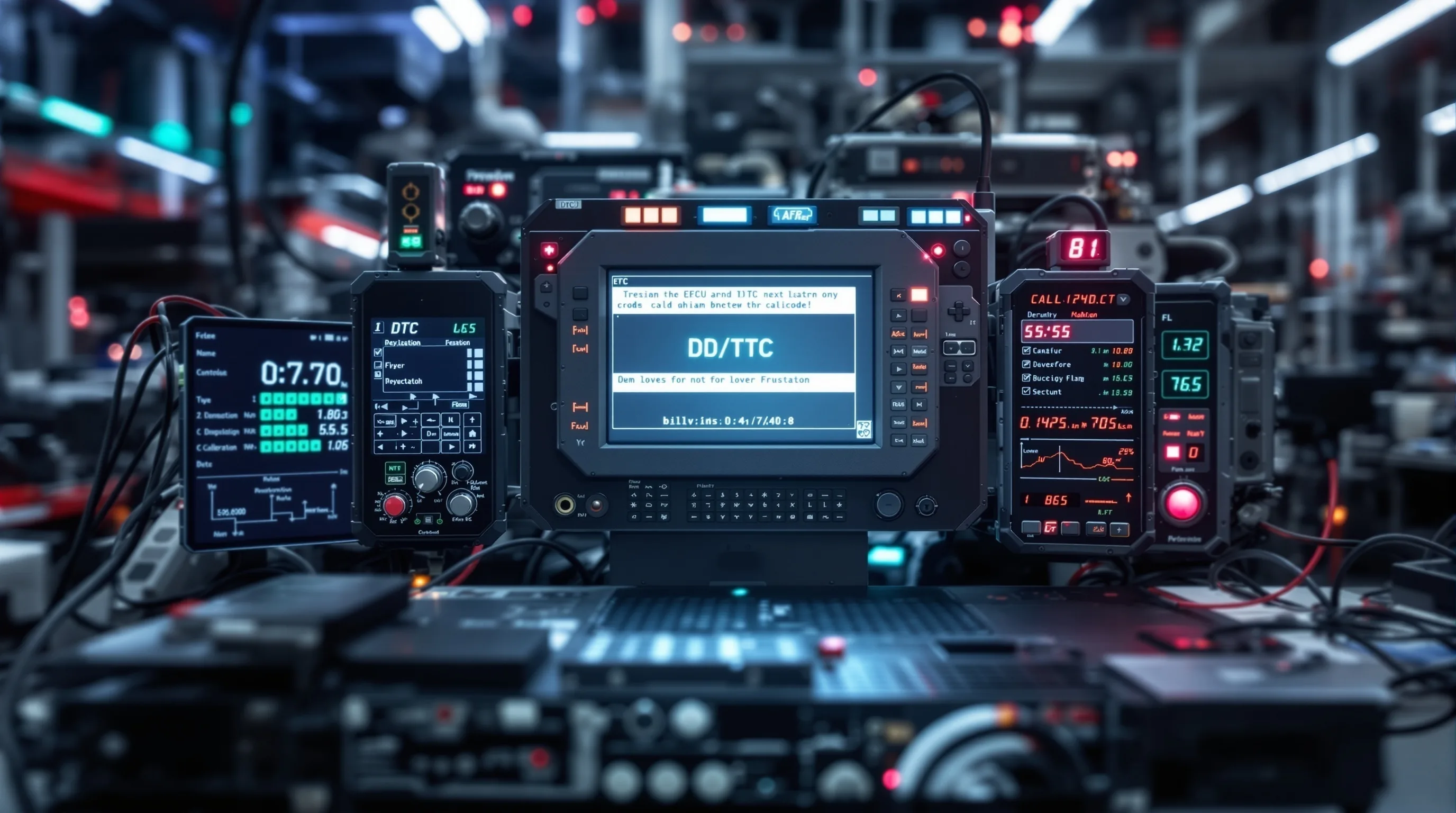
Introduction
.html-content-wrapper .imported-article{ --bg: #f7faf8; --card: #ffffff; --ink: #1a1a1a; --muted: #5a5a5a; --accent: #1e7b34; --accent-light: #28a745; --accent-2: #1a5e4a; --line: #d8e5df; --line-light: #e8f0eb; --shadow: 0 4px 24px rgba(0,0,0,0.06); --shadow-lg: 0 12px 48px rgba(0,0,0,0.08); --radius: 12px; --radius-sm: 8px; } .html-content-wrapper .imported-article *{ box-sizing: border-box; margin: 0; padding: 0; } .html-content-wrapper .imported-article{ font-size: 16px; scroll-behavior: smooth; } .html-content-wrapper .imported-article{ font-family: "Source Serif Pro", "Charter", "Georgia", serif; color: var(--ink); background: var(--bg); line-height: 1.75; font-weight: 400; -webkit-font-smoothing: antialiased; -moz-osx-font-smoothing: grayscale; } .html-content-wrapper .imported-article a{ color: var(--accent-2); text-decoration: none; transition: color 0.2s ease; } .html-content-wrapper .imported-article a:hover{ color: var(--accent); text-decoration: underline; } .html-content-wrapper .imported-article .container{ max-width: 800px; margin: 0 auto; padding: 40px 24px 80px; } .html-content-wrapper .imported-article /* Header / Hero */ .hero{ background: linear-gradient(135deg, #fff 0%, var(--line-light) 100%); border: 1px solid var(--line); border-radius: var(--radius); padding: 40px 36px; margin-bottom: 32px; box-shadow: var(--shadow); } .html-content-wrapper .imported-article .badge{ display: inline-flex; align-items: center; font-family: "Inter", "Helvetica Neue", Arial, sans-serif; font-size: 0.75rem; font-weight: 600; letter-spacing: 0.05em; text-transform: uppercase; color: var(--accent); background: rgba(30, 123, 52, 0.08); padding: 8px 14px; border-radius: 20px; margin-bottom: 20px; } .html-content-wrapper .imported-article .meta{ display: flex; align-items: center; gap: 16px; font-family: "Inter", "Helvetica Neue", Arial, sans-serif; font-size: 0.875rem; color: var(--muted); margin-bottom: 16px; } .html-content-wrapper .imported-article .meta-item{ display: flex; align-items: center; gap: 6px; } .html-content-wrapper .imported-article h1{ font-family: "Merriweather", "Georgia", "Times New Roman", serif; font-size: 2.25rem; font-weight: 900; line-height: 1.2; letter-spacing: -0.02em; color: var(--ink); margin-bottom: 16px; } .html-content-wrapper .imported-article .subtitle{ font-size: 1.125rem; color: var(--muted); line-height: 1.6; max-width: 90%; } .html-content-wrapper .imported-article /* Table of Contents */ .toc{ margin-top: 28px; padding: 24px; background: rgba(255,255,255,0.7); border: 1px solid var(--line); border-radius: var(--radius-sm); } .html-content-wrapper .imported-article .toc-title{ font-family: "Inter", "Helvetica Neue", Arial, sans-serif; text-transform: uppercase; letter-spacing: 0.08em; font-size: 0.75rem; font-weight: 600; color: var(--accent); margin-bottom: 12px; } .html-content-wrapper .imported-article .toc ul{ list-style: none; } .html-content-wrapper .imported-article .toc li{ margin: 8px 0; font-family: "Inter", "Helvetica Neue", Arial, sans-serif; font-size: 0.9rem; } .html-content-wrapper .imported-article .toc a{ color: var(--ink); } .html-content-wrapper .imported-article .toc a:hover{ color: var(--accent); } .html-content-wrapper .imported-article .toc .toc-sub{ margin-left: 20px; font-size: 0.85rem; color: var(--muted); } .html-content-wrapper .imported-article /* Article Content */ .article{ background: var(--card); border-radius: var(--radius); border: 1px solid var(--line); padding: 48px 40px; box-shadow: var(--shadow); } .html-content-wrapper .imported-article .article h2{ font-family: "Merriweather", "Georgia", "Times New Roman", serif; font-size: 1.625rem; font-weight: 700; margin: 2.5rem 0 1rem; padding-top: 1.5rem; border-top: 1px solid var(--line-light); color: var(--ink); letter-spacing: -0.01em; } .html-content-wrapper .imported-article .article h2:first-child{ margin-top: 0; padding-top: 0; border-top: none; } .html-content-wrapper .imported-article .article h3{ font-family: "Merriweather", "Georgia", "Times New Roman", serif; font-size: 1.25rem; font-weight: 700; margin: 1.75rem 0 0.75rem; color: var(--ink); } .html-content-wrapper .imported-article .article p{ margin: 1rem 0; font-size: 1.0625rem; } .html-content-wrapper .imported-article .article ul, .html-content-wrapper .imported-article .article ol{ margin: 1rem 0 1.25rem 1.5rem; } .html-content-wrapper .imported-article .article li{ margin: 0.5rem 0; font-size: 1.0625rem; } .html-content-wrapper .imported-article .article li::marker{ color: var(--accent); } .html-content-wrapper .imported-article .article strong{ font-weight: 600; color: var(--ink); } .html-content-wrapper .imported-article .article hr{ border: none; height: 1px; background: var(--line-light); margin: 2rem 0; } .html-content-wrapper .imported-article /* Tags */ .tags{ margin-top: 3rem; padding-top: 2rem; border-top: 1px solid var(--line); } .html-content-wrapper .imported-article .tags h2{ font-family: "Inter", "Helvetica Neue", Arial, sans-serif; font-size: 0.875rem; font-weight: 600; text-transform: uppercase; letter-spacing: 0.05em; color: var(--muted); margin-bottom: 12px; border: none; padding: 0; } .html-content-wrapper .imported-article .tag-list{ list-style: none; display: flex; flex-wrap: wrap; gap: 8px; } .html-content-wrapper .imported-article .tag-list li{ font-family: "Inter", "Helvetica Neue", Arial, sans-serif; background: var(--line-light); border: 1px solid var(--line); border-radius: 20px; padding: 6px 14px; font-size: 0.8125rem; font-weight: 500; color: var(--muted); transition: all 0.2s ease; } .html-content-wrapper .imported-article .tag-list li:hover{ background: rgba(30, 123, 52, 0.08); border-color: var(--accent); color: var(--accent); } .html-content-wrapper .imported-article /* Footer */ .footer{ text-align: center; font-family: "Inter", "Helvetica Neue", Arial, sans-serif; color: var(--muted); font-size: 0.875rem; margin-top: 40px; padding-top: 24px; border-top: 1px solid var(--line); } .html-content-wrapper .imported-article .footer a{ color: var(--accent); font-weight: 500; } .html-content-wrapper .imported-article /* Responsive */ @media (max-width: 768px){ .container { padding: 24px 16px 60px; } .hero { padding: 28px 24px; } h1 { font-size: 1.75rem; } .article { padding: 32px 24px; } .article h2 { font-size: 1.375rem; } .article p, .article li { font-size: 1rem; } .meta { flex-wrap: wrap; gap: 10px; } } .html-content-wrapper .imported-article /* Print styles */ @media print{ .toc, .tags, .badge, .footer { display: none; } .hero, .article { box-shadow: none; border: none; } body { font-size: 12pt; } } .html-content-wrapper .imported-article .container{max-width:100%;padding:0;margin:0;} ReproRACE - Technical Guide How to correctly interpret DTC codes How to correctly interpret DTC codes Contents System Explanation Electronic Operation Errors / DTC (if applicable) P0171 — Lean mixture bank 1 P0420 — Catalyst efficiency below threshold P2002 — DPF efficiency below threshold P0401 — Insufficient EGR flow P0299 — Insufficient turbo pressure Relationship with other systems Common diagnostic errors Why clearing errors doesn't solve anything How it is professionally diagnosed Real-world validation Impact on preventive maintenance Internal models and plausibility Risk management and degradation Complementary technical analysis Conclusion Introduction The user usually arrives at this topic because of an engine warning light, loss of performance, or emissions inspections. In global markets, DTC interpretation requires increasingly strict electronic control. In ReproRACE we approach DTC interpretation from engineering: the ECU interprets data and decides torque and control strategies based on that data. System Explanation The OBD diagnosis exists to reduce emissions and ensure regulatory compliance in different regions. Its goal is not only to meet limits, but to maintain thermal stability and reliability. The regulatory context is key: diagnostic regulations. This requires integrating sensors, models, and validation strategies to demonstrate efficiency. In modern engines, DTC interpretation control is integrated into torque logic and OBD monitors. Electronic Operation The ECU works with internal models that estimate flow, temperature, and efficiency. It does not react to parts, but to signals. Sensors involved in electronic validation: Air mass sensor (MAF): calculates load and allows validating the mixture. Intake air pressure sensor (MAP): confirms available air and boost. Lambda probe: measures richness/leanness and feeds emission monitors. Exhaust gas temperature sensor (EGT): protects against thermal excess. NOx sensor (if applicable): quantifies NOx reduction before and after SCR. DPF differential pressure sensor: estimates particle load. Coolant temperature sensor: defines thermal validation windows. The ECU compares cross signals and validates plausibility before completing the OBD monitor. Errors / DTC (if applicable) DTCs appear when the ECU detects inconsistencies between real data and internal models. Each code is a symptom, not a diagnosis. P0171 — Lean mixture bank 1 | P0420 — Catalyst efficiency below threshold | P2002 — DPF efficiency below threshold | P0401 — Insufficient EGR flow What the ECU detects: The ECU detects an inconsistency between real data and the internal emissions model. Why it is generated: It activates when the corrections or pressure do not meet the threshold over several cycles. Actual causes: Air leaks, contaminated sensors, incorrect fuel pressure, or exhaust restriction. False positives: Unstable conditions, slow sensors, or incomplete diagnostic cycles. P0299 — Insufficient turbo pressure What the ECU detects: The ECU detects an inconsistency between real data and the internal emissions model. Why it is generated: It is activated when corrections or pressure do not meet the threshold during several cycles. Real causes: Air leaks, contaminated sensors, incorrect fuel pressure or exhaust restriction. False positives: Unstable conditions, slow sensors or incomplete diagnostic cycles. Relationship with other systems Emissions control is related to turbo, injection, EGR, DPF and SCR. A deviation in mixture or pressure alters emissions and activates protection strategies. Common diagnostic errors Clearing DTC without reviewing real data: hides the symptom but not the cause. Replacing parts without validating sensors: the ECU measures data, not components. Ignoring operating temperature: many monitors are only validated in thermal windows. Interpreting an isolated code without context of load and time. Not reviewing OBD monitor history and regenerations. Why clearing errors solves nothing Clearing errors resets the counter, but does not change the data that triggered the code. If the ECU continues to see inconsistency, the DTC will reappear and the system may enter degraded mode. How to diagnose professionally Reading DTC with freeze frame and appearance conditions. Review of real data versus ECU objectives. Validation of critical sensors and electrical supply. On-road testing with logging of load and temperature. Verification of regeneration strategies or efficiency in real use. Professional diagnosis interprets ECU logic and confirms with data. Validation in real use On-road validation confirms that the system maintains stability with different loads, temperatures and driving styles. Logs allow comparing real values with internal objectives and detecting cuts due to protection. Impact on preventive maintenance Emissions depend on maintenance: clean filters, sensors in good condition and correct fuel. Responsible calibration includes recommendations and follow-up to avoid failed regenerations or residue accumulation. Internal models and plausibility The ECU validates plausibility by comparing signals: air versus fuel, pressure versus load and temperature versus operating time. When the internal model does not match the data, DTCs and protection strategies are generated. Risk management and degradation When emissions go out of range, the ECU prioritizes regulations and activates degraded modes. This strategy protects the system and avoids legal non-compliances. Complementary technical analysis The evaluation requires reviewing data consistency, validating protection strategies, and confirming behavior in real use. When internal models do not match the data, the ECU prioritizes regulations and limits torque. Conclusion Correctly interpreting DTC codes affects performance, regulatory compliance, and reliability. The ECU determines torque based on data and internal models; therefore, diagnosis must be technical and not intuitive. At ReproRACE, we work with engineering criteria and real data to resolve emission problems in a global environment. The goal is reliability and compliance, not shortcuts. Tags particulate filter saturated DPF DPF regeneration DPF failure DPF cleaning engine electronics advanced diagnosis error code electronic failure specialized workshop ReproRACE — ReproRACE - engine electronics with technical criteria.