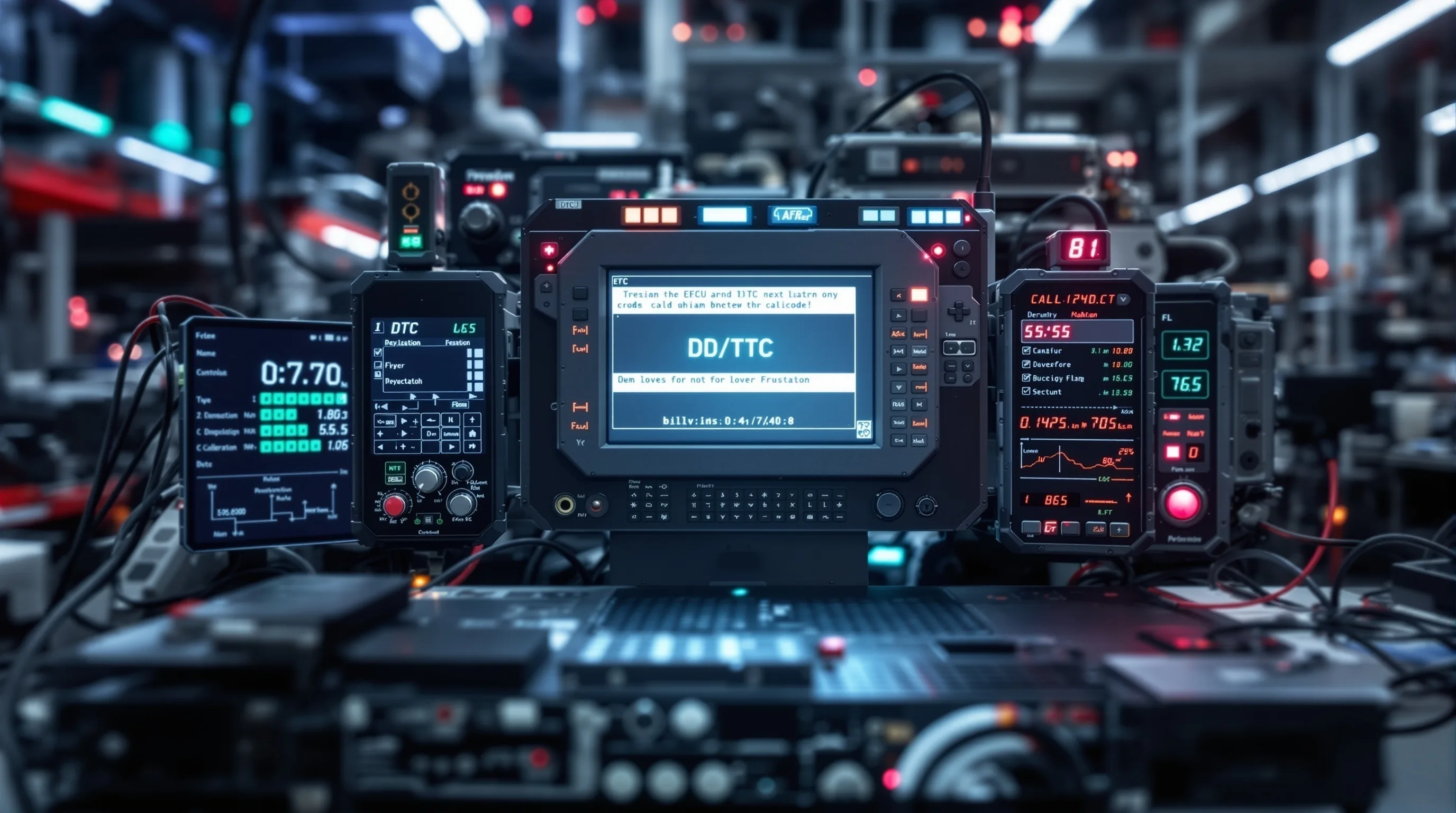
Pre-tuning diagnostics at ReproRACE are the foundation of any reliable calibration. We don’t modify maps without first checking the engine’s condition.
Introduction
.imported-article{ --bg: #06110B; --card: #12281A; --ink: #F5F7FA; --muted: #AEB8C2; --accent: #58CF0D; --accent-light: #7FE836; --accent-2: #7FE836; --line: #1C3624; --line-light: #16321F; --shadow: 0 4px 24px rgba(0,0,0,0.35); --shadow-lg: 0 12px 48px rgba(0,0,0,0.45); --radius: 12px; --radius-sm: 8px; } .imported-article *{ box-sizing: border-box; margin: 0; padding: 0; } .imported-article{ font-size: 16px; scroll-behavior: smooth; } .imported-article{ font-family: "Mona Sans", system-ui, sans-serif; color: var(--ink); background: var(--bg); line-height: 1.75; font-weight: 400; -webkit-font-smoothing: antialiased; -moz-osx-font-smoothing: grayscale; } .imported-article a{ color: var(--accent-2); text-decoration: none; transition: color 0.2s ease; } .imported-article a:hover{ color: var(--accent); text-decoration: underline; } .imported-article .container{ max-width: 800px; margin: 0 auto; padding: 40px 24px 80px; } .imported-article /* Header / Hero */ .hero{ background: linear-gradient(135deg, var(--card) 0%, var(--line-light) 100%); border: 1px solid var(--line); border-radius: var(--radius); padding: 40px 36px; margin-bottom: 32px; box-shadow: var(--shadow); } .imported-article .badge{ display: inline-flex; align-items: center; font-family: "Mona Sans", system-ui, sans-serif; font-size: 0.75rem; font-weight: 600; letter-spacing: 0.05em; text-transform: uppercase; color: var(--accent); background: rgba(88, 207, 13, 0.14); padding: 8px 14px; border-radius: 20px; margin-bottom: 20px; } .imported-article .meta{ display: flex; align-items: center; gap: 16px; font-family: "Mona Sans", system-ui, sans-serif; font-size: 0.875rem; color: var(--muted); margin-bottom: 16px; } .imported-article .meta-item{ display: flex; align-items: center; gap: 6px; } .imported-article h1{ font-family: "Mona Sans", system-ui, sans-serif; font-size: 2.25rem; font-weight: 900; line-height: 1.2; letter-spacing: -0.02em; color: var(--ink); margin-bottom: 16px; } .imported-article .subtitle{ font-size: 1.125rem; color: var(--muted); line-height: 1.6; max-width: 90%; } .imported-article /* Table of Contents */ .toc{ margin-top: 28px; padding: 24px; background: rgba(255,255,255,0.04); border: 1px solid var(--line); border-radius: var(--radius-sm); } .imported-article .toc-title{ font-family: "Mona Sans", system-ui, sans-serif; text-transform: uppercase; letter-spacing: 0.08em; font-size: 0.75rem; font-weight: 600; color: var(--accent); margin-bottom: 12px; } .imported-article .toc ul{ list-style: none; } .imported-article .toc li{ margin: 8px 0; font-family: "Mona Sans", system-ui, sans-serif; font-size: 0.9rem; } .imported-article .toc a{ color: var(--ink); } .imported-article .toc a:hover{ color: var(--accent); } .imported-article .toc .toc-sub{ margin-left: 20px; font-size: 0.85rem; color: var(--muted); } .imported-article /* Article Content */ .article{ background: var(--card); border-radius: var(--radius); border: 1px solid var(--line); padding: 48px 40px; box-shadow: var(--shadow); } .imported-article .article h2{ font-family: "Mona Sans", system-ui, sans-serif; font-size: 1.625rem; font-weight: 700; margin: 2.5rem 0 1rem; padding-top: 1.5rem; border-top: 1px solid var(--line-light); color: var(--ink); letter-spacing: -0.01em; } .imported-article .article h2:first-child{ margin-top: 0; padding-top: 0; border-top: none; } .imported-article .article h3{ font-family: "Mona Sans", system-ui, sans-serif; font-size: 1.25rem; font-weight: 700; margin: 1.75rem 0 0.75rem; color: var(--ink); } .imported-article .article p{ margin: 1rem 0; font-size: 1.0625rem; } .imported-article .article ul, .imported-article .article ol{ margin: 1rem 0 1.25rem 1.5rem; } .imported-article .article li{ margin: 0.5rem 0; font-size: 1.0625rem; } .imported-article .article li::marker{ color: var(--accent); } .imported-article .article strong{ font-weight: 600; color: var(--ink); } .imported-article .article hr{ border: none; height: 1px; background: var(--line-light); margin: 2rem 0; } .imported-article /* Tags */ .tags{ margin-top: 3rem; padding-top: 2rem; border-top: 1px solid var(--line); } .imported-article .tags h2{ font-family: "Mona Sans", system-ui, sans-serif; font-size: 0.875rem; font-weight: 600; text-transform: uppercase; letter-spacing: 0.05em; color: var(--muted); margin-bottom: 12px; border: none; padding: 0; } .imported-article .tag-list{ list-style: none; display: flex; flex-wrap: wrap; gap: 8px; } .imported-article .tag-list li{ font-family: "Mona Sans", system-ui, sans-serif; background: var(--line-light); border: 1px solid var(--line); border-radius: 20px; padding: 6px 14px; font-size: 0.8125rem; font-weight: 500; color: var(--muted); transition: all 0.2s ease; } .imported-article .tag-list li:hover{ background: rgba(88, 207, 13, 0.14); border-color: var(--accent); color: var(--accent); } .imported-article /* Footer */ .footer{ text-align: center; font-family: "Mona Sans", system-ui, sans-serif; color: var(--muted); font-size: 0.875rem; margin-top: 40px; padding-top: 24px; border-top: 1px solid var(--line); } .imported-article .footer a{ color: var(--accent); font-weight: 500; } .imported-article /* Responsive */ @media (max-width: 768px){ .container { padding: 24px 16px 60px; } .hero { padding: 28px 24px; } h1 { font-size: 1.75rem; } .article { padding: 32px 24px; } .article h2 { font-size: 1.375rem; } .article p, .article li { font-size: 1rem; } .meta { flex-wrap: wrap; gap: 10px; } } .imported-article /* Print styles */ @media print{ .toc, .tags, .badge, .footer { display: none; } .hero, .article { box-shadow: none; border: none; } body { font-size: 12pt; } } .imported-article .container{max-width:100%;padding:0;margin:0;}.meta{display:flex;flex-wrap:wrap;gap:8px 18px;align-items:center}.meta-item{display:inline-flex;gap:6px;align-items:center}.meta-item svg{width:16px;height:16px;flex:none} ReproRACE - Technical Guide By Daniel Morales 10 min read Contents Why Pre-Tuning Diagnostics Are Essential Phase 1: Reading DTCs in Context Phase 2: Actual Values vs. Target Values Phase 3: Critical Sensor Inspection Phase 4: Comprehensive Thermal Analysis Phase 5: Intake, Exhaust, and Leak Testing Phase 6: Injection System Phase 7: Transmission and Torque by Gear Phase 8: Emissions and Anti-Pollution Systems Phase 9: Real-Load Testing Acceptance Criteria for Calibration Real-World Pre-Tuning Diagnostic Cases Case 1: Power Loss Without DTCs Case 2: Hidden Thermal Derate Case 3: Transmission at Its Limit ReproRACE Pre-Tuning Diagnostic Checklist Measurement Tools and Methodology Time Required and Why It Pays Off Common Mistakes When Diagnostics Are Skipped Direct Benefits for the Customer Calibration rejection criteria Diagnostics as the basis for maintenance Key tools and parameters Controlled dynamic test Early warning signs Quick FAQ What the preliminary diagnostic includes Can calibration be performed with a warning light on? How long does the diagnostic take? Why is a calibration rejected? A practical summary of diagnostics Final diagnostic note Conclusion Introduction The preliminary diagnostic at ReproRACE is the foundation of any reliable calibration. We don’t modify maps without knowing the engine’s condition. The ECU makes the decisions, torque is the central variable, and power is a consequence. If the system already has inconsistencies, remapping without diagnostics only amplifies the problem. Our approach is based on an axiom: DTCs are symptoms, not diagnoses. That’s why reading the codes is only the beginning. A proper preliminary diagnostic analyzes data, thermal trends, and electronic consistency to determine whether the engine is ready to be optimized. Why a preliminary diagnostic is essential In engine electronics, a hidden fault can skew all the results. Without a preliminary diagnostic: Calibration is performed using degraded sensors. Active limiters that reduce torque are overlooked. Reliability is compromised by increasing the thermal load. A preliminary diagnostic prevents adjustments from being made on a faulty foundation. It’s the difference between a real improvement and an empty promise. Phase 1: reading DTCs in context At ReproRACE, we don’t just read codes—we analyze the context: Freeze-frame data to determine the conditions under which the fault occurred. Permanent vs. intermittent DTCs. The relationship between codes and actual symptoms. This makes it possible to determine whether the DTC is a cause or a consequence. The ECU may log an EGR error because of a degraded air sensor, and replacing the EGR without diagnosing the issue is a common mistake. Phase 2: actual values vs. target values The ECU works with targets. Comparing actual values with target values is essential: Requested vs. actual boost pressure. Target vs. actual rail pressure. Requested vs. delivered torque. If there are deviations, we determine whether the problem is with a sensor, actuator, or strategy. Without this comparison, the diagnosis is incomplete. Phase 3: critical sensor inspection Sensors fail more often than actuators. That’s why we check: MAF and MAP for actual air mass. Temperature sensors (IAT, EGT, oil). Lambda sensor and NOx sensors. Rail pressure and injector response. A degraded sensor can limit torque without triggering a DTC. Detecting it helps prevent incorrect adjustments and subsequent performance losses. Phase 4: comprehensive thermal analysis Temperature determines reliability. We check: EGT trends under sustained load. Oil temperature after driving several kilometers. Actual cooling capacity. If the engine is already operating at its thermal limit, aggressive calibration poses a direct risk. The preliminary diagnosis determines whether there is genuine thermal headroom. Phase 5: intake, exhaust, and sealing Airflow is the basis of torque. A problem with the intake or exhaust affects the entire ECU logic. We check: Leaks in hoses and the intercooler. Clogged filters or intake restrictions. DPF with high differential pressure. Without proper sealing, any map is incorrect. The preliminary diagnosis prevents calibration based on false airflow data. Phase 6: injection system Rail pressure and injector stability are critical. We analyze: Deviation between target and actual pressure. Per-cylinder corrections in diesel engines. Injector return flow and response under load. If fuel injection is unstable, torque cannot be safely optimized. First, the underlying issue must be corrected. Phase 7: transmission and torque by gear Torque affects more than just the engine. In automatic transmissions, the TCM imposes limits. In manual transmissions, the clutch sets the real limit. We check: Torque limiters by gear. Torque reduction requests during shifts. Signs of slipping or sliding. If the transmission is at its limit, the calibration must be adapted—or not performed. Phase 8: emissions and emissions control systems Legal compliance is part of the diagnosis. We check: EGR active and under control. DPF regenerations occurring as expected. SCR and NOx sensors operating correctly. A degraded emissions system can trigger derates and limit torque. The preliminary diagnosis detects this before maps are adjusted. Phase 9: real-world load testing Many problems do not show up at idle. That is why we perform load tests: Progressive acceleration. Sustained load uphill. Temperature and pressure logging. Only this way can we detect torque cuts, overboost, or rail pressure deviations that do not show up during static diagnostics. Acceptance criteria for calibration Not all engines are ready. The minimum criteria include: Sensors within range and signals consistent with one another. Stable temperatures with no tendency to derate. Stable boost and rail pressure. Emissions systems operating correctly. If these criteria are not met, the issues must be corrected first. This is the difference between a responsible adjustment and a risk. Real-world preliminary diagnosis cases Case 1: loss of power with no DTC The customer notices less torque. The analysis shows a degraded MAF sensor and adaptations outside the acceptable range. The sensor is replaced and the adaptations are reset. Only then is the vehicle calibrated, resulting in stable torque. Case 2: hidden thermal derate The vehicle enters protection mode in summer. Diagnostics reveal a saturated intercooler and high EGT under sustained load. The cooling issue is corrected and the thermal margin is validated before adjusting the maps. Case 3: Transmission at its limit An automatic transmission has harsh shifts. Diagnostics detect torque limiters activated by transmission temperature. The transmission issue is resolved before calibration, preventing wear. ReproRACE Pre-Tuning Diagnostic Checklist Our pre-tuning diagnostics include: DTCs with freeze-frame data. Actual vs. target values. Critical sensors and signal consistency. Thermal and load analysis. Intake, exhaust, and injection. Transmission and torque by gear. Emissions and aftertreatment. With this checklist, calibration is performed on a solid foundation. Measurement tools and methodology Pre-tuning diagnostics are about more than just “connecting a device.” We use advanced scanning tools and on-road data logging to capture real-world conditions. The methodology includes: Full ECU scan with technical interpretation. Logs across different load and RPM ranges. Comparison of measured values with internal models. Validation of consistency between critical sensors. This process makes it possible to detect deviations that don’t show up in a quick scan. The difference between a basic diagnosis and a professional one lies in the depth of the data, not the speed of the result. Time required and why it pays off A complete pre-tuning diagnosis takes time, but it pays off. Replacing parts without data often multiplies costs. Time spent on analysis prevents: Unnecessary component replacements. Calibrations that fail due to an incorrect baseline. Repeated tests due to a lack of initial consistency. At ReproRACE, we prioritize diagnostics because they reduce the total cost of the process and improve the engine’s final stability. Common mistakes when diagnostics are skipped Skipping pre-tuning diagnostics leads to common issues: Adjusting maps based on a degraded sensor. Forcing torque in an engine with thermal limitations. Entering protection mode after calibration due to inconsistencies. These errors not only reduce performance, but also affect the reputation of the work. A proper pre-calibration diagnosis prevents the calibration from becoming a source of problems. Direct benefits for the customer The customer gains clear benefits when the diagnosis is done properly: Stable torque without unexpected cutbacks. Fuel consumption consistent with actual use. Fewer breakdowns and fewer trips to the workshop. The customer also receives clear explanations about the engine’s actual condition. This transparency builds trust and sets professional work apart from quick adjustments without guarantees. Calibration rejection criteria A pre-calibration diagnosis also helps us say “no” when necessary. At ReproRACE, we do not calibrate an engine if it has conditions that compromise reliability. Some examples: Temperatures outside the acceptable range under sustained load. Unstable rail pressure with repeated deviations. Saturated DPF or frequent failed regeneration cycles. Transmission showing signs of active protection. Rejecting a calibration in these cases is a professional decision. It prevents breakdowns and protects both the customer and the engine. A proper calibration starts with recognizing when the time is not right. Diagnosis as the basis for maintenance A pre-calibration diagnosis also helps establish a logical maintenance plan. If a thermal trend is detected or sensors are close to their limits, preventive service is recommended before faults occur. This keeps the engine in optimal condition and helps the calibration remain stable for longer. At ReproRACE, we see diagnosis as an investment in reliability, not a formality. This approach makes it possible to deliver consistent, sustainable results. It also reduces future costs and prevents unexpected downtime in day-to-day use. Always. Key tools and parameters A pre-calibration diagnosis requires tools and a core set of parameters. At ReproRACE, we check requested and actual turbo pressure, air flow (MAF), rail pressure, intake temperature, EGT, and regeneration status. We also analyze injection corrections and torque adaptations. These data help detect hidden faults: degraded sensors, intake leaks, or active thermal limiters. Without these readings, a map can hide the problem and cause cutbacks later. Controlled dynamic test Diagnosis does not end in the workshop. A dynamic test is carried out on the road or a dynamometer under controlled conditions: same gear, same load, and same temperature. This test reveals whether the requested torque is actually delivered and whether temperatures remain within acceptable limits. The goal is to reproduce the customer’s real-world scenario, not an ideal environment. With this method, pre-calibration diagnosis becomes a decision-making tool, not a formality. Early warning signs A pre-calibration diagnosis detects problems before they cause visible faults. Some typical signs are: Injection corrections trending upward. Turbo pressure fluctuations outside the expected range. High EGTs under moderate loads. More frequent regenerations than normal. Identifying these signs makes it possible to act in time and avoid calibrating an engine that is already under stress. This is the difference between prevention and reaction. Quick FAQ What the preliminary diagnosis includes It includes reading DTCs, analyzing logs under load, checking key sensors, and verifying temperatures. The aim is to confirm that the engine is healthy before changing the map. Can you calibrate with a warning light on? It is not recommended. A warning light indicates that the ECU has detected inconsistencies. Calibrating without resolving them only hides the problem and can lead to power limitations later. How long does the diagnosis take? It depends on the engine and the fault. The important thing is to cover the actual conditions in which the vehicle is used. A quick but incomplete diagnosis often leads to problems later. Why is a calibration rejected? It is rejected when there is a technical risk: a clogged DPF, unstable pressures, or temperatures outside the normal range. Rejecting the calibration protects the customer and helps prevent more serious faults. Practical summary of the diagnosis The preliminary diagnosis is the foundation of the adjustment. Without it, any improvement is a risk. The goal is not just to read codes, but to understand how the engine actually behaves under load and at different temperatures. Key practical points: Read DTCs in context and review the freeze-frame data. Record logs with the engine operating under real-world conditions. Check critical sensors before calibration. Confirm that no protection strategies are active. This practical summary helps prevent calibrating an engine with an underlying problem. The difference shows in greater reliability and fewer returns. Final note on diagnosis A properly performed diagnosis saves time and money. It makes it possible to identify the true source of the problem and prevents calibrating on an unstable foundation. That is why ReproRACE does not cut corners at this stage: the final result depends on it. Conclusion The preliminary diagnosis at ReproRACE is the guarantee of a reliable adjustment. Without a diagnosis, any remapping is a gamble. With a diagnosis, the engine can be optimized with sound judgment and protected. At ReproRACE, we calibrate differently because we start by understanding the engine. That is the only way to achieve real performance and lasting reliability. Tags particulate filter clogged DPF DPF regeneration DPF fault DPF cleaning engine electronics advanced diagnostics error code electronic fault specialist workshop Related ReproRACE services Find your vehicle and check its power gains ReproRACE remapping workshops near you Stage 1 remapping Faults and fault codes ReproRACE — ReproRACE - engine electronics with technical expertise.