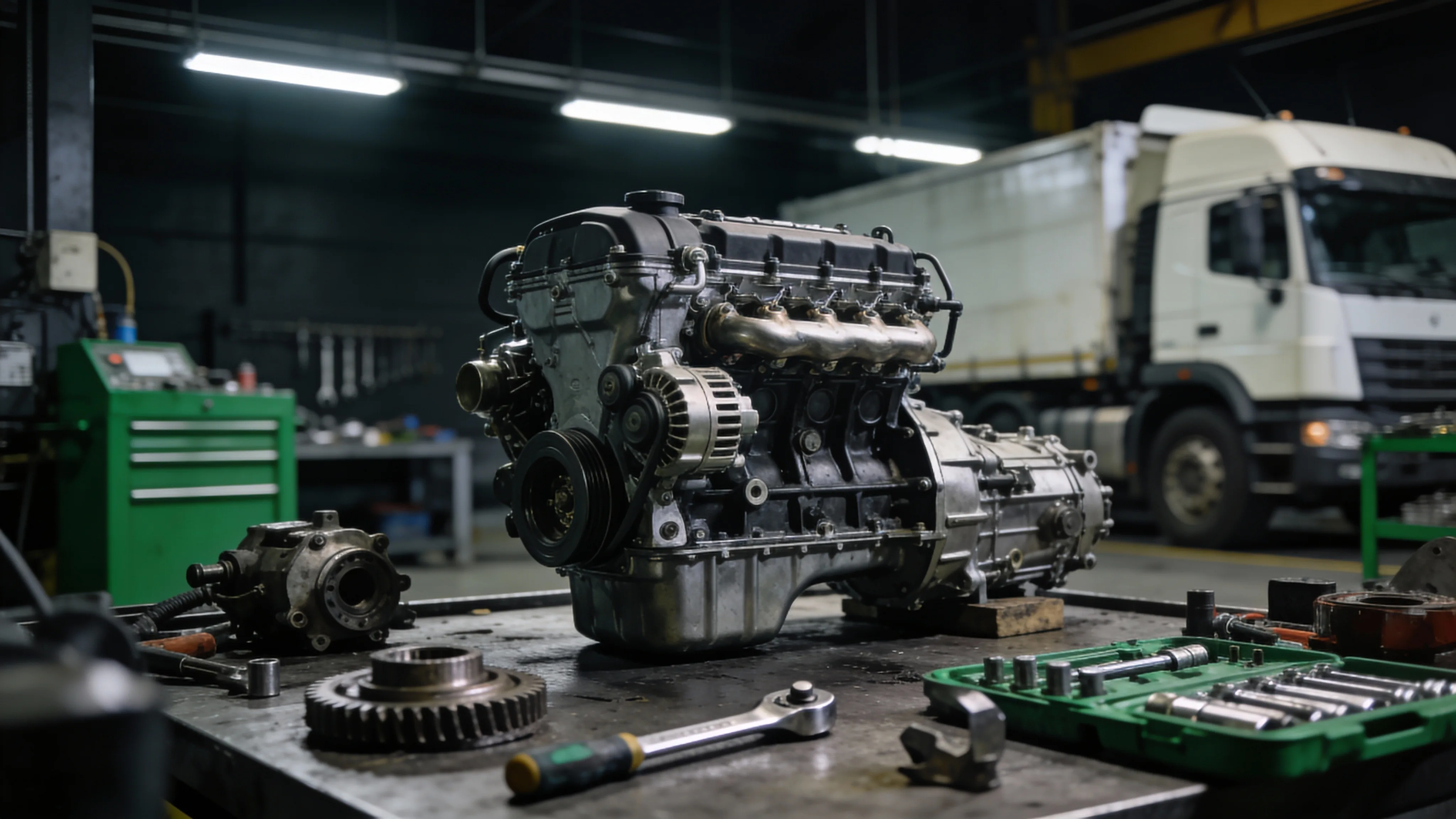
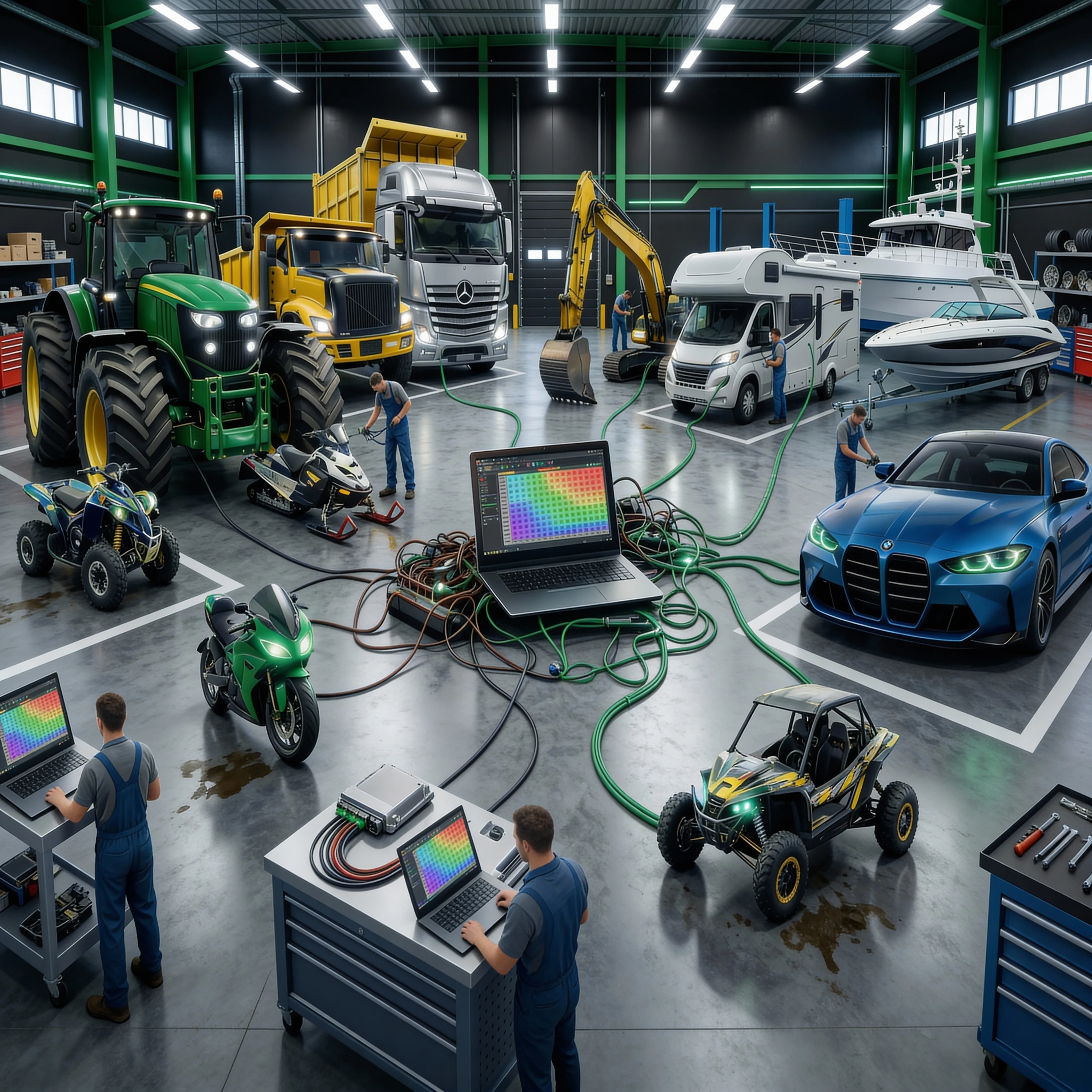
In engine electronics, it's not all about power. The power figure is only a consequence of torque and engine speed, and does not by itself define performance…
Introduction
.imported-article{ --bg: #06110B; --card: #12281A; --ink: #F5F7FA; --muted: #AEB8C2; --accent: #58CF0D; --accent-light: #7FE836; --accent-2: #7FE836; --line: #1C3624; --line-light: #16321F; --shadow: 0 4px 24px rgba(0,0,0,0.35); --shadow-lg: 0 12px 48px rgba(0,0,0,0.45); --radius: 12px; --radius-sm: 8px; } .imported-article *{ box-sizing: border-box; margin: 0; padding: 0; } .imported-article{ font-size: 16px; scroll-behavior: smooth; } .imported-article{ font-family: "Mona Sans", system-ui, sans-serif; color: var(--ink); background: var(--bg); line-height: 1.75; font-weight: 400; -webkit-font-smoothing: antialiased; -moz-osx-font-smoothing: grayscale; } .imported-article a{ color: var(--accent-2); text-decoration: none; transition: color 0.2s ease; } .imported-article a:hover{ color: var(--accent); text-decoration: underline; } .imported-article .container{ max-width: 800px; margin: 0 auto; padding: 40px 24px 80px; } .imported-article /* Header / Hero */ .hero{ background: linear-gradient(135deg, var(--card) 0%, var(--line-light) 100%); border: 1px solid var(--line); border-radius: var(--radius); padding: 40px 36px; margin-bottom: 32px; box-shadow: var(--shadow); } .imported-article .badge{ display: inline-flex; align-items: center; font-family: "Mona Sans", system-ui, sans-serif; font-size: 0.75rem; font-weight: 600; letter-spacing: 0.05em; text-transform: uppercase; color: var(--accent); background: rgba(88, 207, 13, 0.14); padding: 8px 14px; border-radius: 20px; margin-bottom: 20px; } .imported-article .meta{ display: flex; align-items: center; gap: 16px; font-family: "Mona Sans", system-ui, sans-serif; font-size: 0.875rem; color: var(--muted); margin-bottom: 16px; } .imported-article .meta-item{ display: flex; align-items: center; gap: 6px; } .imported-article h1{ font-family: "Mona Sans", system-ui, sans-serif; font-size: 2.25rem; font-weight: 900; line-height: 1.2; letter-spacing: -0.02em; color: var(--ink); margin-bottom: 16px; } .imported-article .subtitle{ font-size: 1.125rem; color: var(--muted); line-height: 1.6; max-width: 90%; } .imported-article /* Table of Contents */ .toc{ margin-top: 28px; padding: 24px; background: rgba(255,255,255,0.04); border: 1px solid var(--line); border-radius: var(--radius-sm); } .imported-article .toc-title{ font-family: "Mona Sans", system-ui, sans-serif; text-transform: uppercase; letter-spacing: 0.08em; font-size: 0.75rem; font-weight: 600; color: var(--accent); margin-bottom: 12px; } .imported-article .toc ul{ list-style: none; } .imported-article .toc li{ margin: 8px 0; font-family: "Mona Sans", system-ui, sans-serif; font-size: 0.9rem; } .imported-article .toc a{ color: var(--ink); } .imported-article .toc a:hover{ color: var(--accent); } .imported-article .toc .toc-sub{ margin-left: 20px; font-size: 0.85rem; color: var(--muted); } .imported-article /* Article Content */ .article{ background: var(--card); border-radius: var(--radius); border: 1px solid var(--line); padding: 48px 40px; box-shadow: var(--shadow); } .imported-article .article h2{ font-family: "Mona Sans", system-ui, sans-serif; font-size: 1.625rem; font-weight: 700; margin: 2.5rem 0 1rem; padding-top: 1.5rem; border-top: 1px solid var(--line-light); color: var(--ink); letter-spacing: -0.01em; } .imported-article .article h2:first-child{ margin-top: 0; padding-top: 0; border-top: none; } .imported-article .article h3{ font-family: "Mona Sans", system-ui, sans-serif; font-size: 1.25rem; font-weight: 700; margin: 1.75rem 0 0.75rem; color: var(--ink); } .imported-article .article p{ margin: 1rem 0; font-size: 1.0625rem; } .imported-article .article ul, .imported-article .article ol{ margin: 1rem 0 1.25rem 1.5rem; } .imported-article .article li{ margin: 0.5rem 0; font-size: 1.0625rem; } .imported-article .article li::marker{ color: var(--accent); } .imported-article .article strong{ font-weight: 600; color: var(--ink); } .imported-article .article hr{ border: none; height: 1px; background: var(--line-light); margin: 2rem 0; } .imported-article /* Tags */ .tags{ margin-top: 3rem; padding-top: 2rem; border-top: 1px solid var(--line); } .imported-article .tags h2{ font-family: "Mona Sans", system-ui, sans-serif; font-size: 0.875rem; font-weight: 600; text-transform: uppercase; letter-spacing: 0.05em; color: var(--muted); margin-bottom: 12px; border: none; padding: 0; } .imported-article .tag-list{ list-style: none; display: flex; flex-wrap: wrap; gap: 8px; } .imported-article .tag-list li{ font-family: "Mona Sans", system-ui, sans-serif; background: var(--line-light); border: 1px solid var(--line); border-radius: 20px; padding: 6px 14px; font-size: 0.8125rem; font-weight: 500; color: var(--muted); transition: all 0.2s ease; } .imported-article .tag-list li:hover{ background: rgba(88, 207, 13, 0.14); border-color: var(--accent); color: var(--accent); } .imported-article /* Footer */ .footer{ text-align: center; font-family: "Mona Sans", system-ui, sans-serif; color: var(--muted); font-size: 0.875rem; margin-top: 40px; padding-top: 24px; border-top: 1px solid var(--line); } .imported-article .footer a{ color: var(--accent); font-weight: 500; } .imported-article /* Responsive */ @media (max-width: 768px){ .container { padding: 24px 16px 60px; } .hero { padding: 28px 24px; } h1 { font-size: 1.75rem; } .article { padding: 32px 24px; } .article h2 { font-size: 1.375rem; } .article p, .article li { font-size: 1rem; } .meta { flex-wrap: wrap; gap: 10px; } } .imported-article /* Print styles */ @media print{ .toc, .tags, .badge, .footer { display: none; } .hero, .article { box-shadow: none; border: none; } body { font-size: 12pt; } } .imported-article .container{max-width:100%;padding:0;margin:0;}.meta{display:flex;flex-wrap:wrap;gap:8px 18px;align-items:center}.meta-item{display:inline-flex;gap:6px;align-items:center}.meta-item svg{width:16px;height:16px;flex:none} ReproRACE - Technical Guide By Daniel Morales 10 min read Contents Usable Torque vs. Peak Power Reliability and Thermal Margin Transmission and Auxiliary Components Fuel Consumption and Real-World Efficiency Legality and Emissions Response, Control, and Safe Driving Real Cases Where Power Wasn't the Solution Case 1: Vehicle Losing Power Due to a Sensor Case 2: Fleet with High Fuel Consumption Case 3: Turbo at Its Limit Balanced Approach Checklist Power vs. Everyday Usability Impact on Engine Durability Relationship Between Power, Torque, and Engine Speed ECU Strategies That Limit Power Traction and Vehicle Control Performance on Hills and Under Load Compatibility with Hardware and Modifications Customer Perception and Real Results Validation with Data, Not Impressions Long-term maintenance and stability Smart fuel consumption strategies Urban driving and controlled response Thermal management and protection Adaptive learning and consistency Resale value and engine reputation Usable torque versus peak power Sustainable results in everyday use Tuning decision checklist Final note on power Closing note on power Practical conclusion on power Additional note on torque Conclusion Introduction In engine electronics, not everything is about power . Power output is only a consequence of torque and engine speed, and does not, on its own, define real-world performance. A proper calibration aims for usable torque, consistent response, and long-term reliability—not a peak figure on a graph. At ReproRACE, we believe the ECU determines torque, protects the engine, and controls emissions. That is why power cannot be the only goal. Usable torque versus peak power Usable torque is the torque you draw on in real-world driving. A peak power figure at high engine speeds can be irrelevant if the engine spends most of its time in the mid-range. Responsible calibration focuses on: Improving response in commonly used rev ranges. Avoiding peaks that create thermal stress. Maintaining progressive delivery and control. Peak power may impress, but usable torque is what you actually feel. Reliability and thermal headroom Pursuing extreme power reduces thermal headroom. This leads to: High EGTs. Increased stress on the turbo and fuel injection system. Protection systems kicking in and power being cut. A balanced calibration prevents these problems and keeps performance stable for longer. Transmission and auxiliary components Power affects more than just the engine. The transmission, clutch, and gearbox are also impacted. Increasing power without considering these systems is a technical mistake. That’s why the following are used: Torque limited by gear. Transient control. Coordination with the TCM in automatic transmissions. The goal is to protect the entire system, not just the engine. Fuel consumption and real-world efficiency A calibration focused solely on power can increase fuel consumption and emissions. By contrast, an efficiency-focused calibration improves: Fuel consumption at cruising speeds. Response under light load. Stability on real-world routes. Real-world performance is also measured in running costs, not just maximum power. Legality and emissions Extreme power usually involves compromises in emissions. Removing emissions-control systems or forcing combustion produces smoke and DTCs. Responsible calibration complies with the law because reliability and reputation depend on it. Response, control, and safe driving Maximum power does not guarantee control. Abrupt torque delivery can cause loss of traction or instability, especially in low-grip conditions. A balanced calibration provides progressive, controllable response, improving safety and driver confidence. In real-world use, safety is part of performance. Real-world cases where more power wasn’t the solution Case 1: Vehicle with power loss caused by a sensor The customer wanted more power, but the problem was an erratic pressure sensor. The fault was corrected, and the engine regained performance without increasing power. Case 2: Fleet with high fuel consumption The goal was efficiency, not power. Mid-range torque was optimized, and fuel consumption was significantly reduced. Case 3: Turbo at its limit The customer wanted more power, but the turbo was close to its limit. Reliability was prioritized, and usable torque was adjusted. The result: stable performance with no breakdowns. Balanced approach checklist A calibration that doesn’t obsess over power includes: Preliminary diagnostics and real-world data. Usable torque tailored to real-world use. Thermal management with a safety margin. Emissions within legal limits. Validation under real-world conditions. Power vs. everyday usability An engine can deliver a high peak output and still be uncomfortable in everyday driving. Jerking, abrupt response, or a lack of smooth progression are signs of an approach focused solely on the numbers. Responsible calibration aims to make the vehicle more usable, with linear torque delivery and no power cutbacks. That usability is what defines real-world performance. Impact on engine durability Increasing power without thermal headroom accelerates wear on the turbocharger, injectors, and pistons. Electronic safeguards kick in, and the engine loses stability. Balanced calibration preserves durability by not pushing the hardware beyond its safe operating range. The relationship between power, torque, and engine speed Power is not an absolute value: it depends on torque and engine speed. An engine with strong low-rpm torque may be quicker in real-world use than one with higher peak power at high rpm. That is why a technical approach considers the entire curve, not just the peak. The goal is to improve torque where the engine operates most of the time, not where it can produce an impressive catalog figure. ECU strategies that limit power The ECU has multiple protection strategies for temperature, pressure, smoke, and the transmission. If power is pursued without respecting these strategies, power cutbacks occur. Proper calibration incorporates these limits into the torque map. This delivers stable performance without intermittent losses that ruin the driving experience. Traction and vehicle control More power does not always mean more speed. On low-grip surfaces, abrupt torque delivery causes loss of traction. Balanced calibration lets the engine deliver power progressively, improving traction and safety. This is especially important in rain, snow, or on uneven asphalt. Performance on hills and under load On the road, what matters is the ability to maintain speed on hills or under load. This depends on the torque available in the mid-range, not on peak power. A well-calibrated engine maintains its pulling power in higher gears and reduces the need for constant downshifting. That behavior is more useful than a high figure on a dyno. Compatibility with hardware and modifications Pursuing power without knowing the hardware's limits is a mistake. The turbocharger, injectors, and transmission all have real capacity limits. Responsible calibration respects those limits and adjusts torque with a safety margin. Otherwise, the extra power turns into breakdowns and repair costs. Customer perception and real-world results Many customers are looking for a specific figure, but the actual driving experience depends on the torque curve. Explaining this difference is part of the technical work. When customers understand that a smooth, stable response is more valuable than a peak figure, they are more receptive to a responsible approach and appreciate the real improvement. Validation with data, not impressions Feel can be deceptive. A more aggressive response may seem more powerful, but if it causes power cutbacks or excessive temperatures, performance drops. Validation using real data confirms whether the power is usable and sustainable. This approach protects the engine and aims to make the improvement last. Maintenance and long-term stability A calibration focused solely on power often increases mechanical strain and accelerates wear. If maintenance is not adjusted accordingly, premature failures can occur. A balanced approach allows for reasonable maintenance intervals and reduces the likelihood of breakdowns. Real-world performance is performance that lasts without requiring constant changes. Smart fuel consumption strategies Extra power does not always translate into efficiency. Responsible calibration can optimize fuel consumption at cruising speeds by adjusting torque demand and the air-fuel mixture. The result is a more efficient engine in everyday use, without sacrificing responsiveness. This efficiency is part of real-world performance and customer satisfaction. Urban driving and controlled response In the city, peak power is rarely used. What matters is low-speed response and smooth maneuvering. Balanced calibration prevents jerking and improves urban driving. This shows that real-world performance is measured not only in horsepower, but also in control and comfort. Thermal management and protection The ECU limits torque when it detects temperatures outside the operating range. A calibration that ignores this produces brief peaks followed by constant power cutbacks. Tuning with thermal headroom ensures the engine maintains its performance without entering protection mode. The result is more stable and, in practice, faster. Adaptive learning and consistency Modern ECUs learn. If calibration focuses only on power, the learning process may correct the air-fuel mixture and reduce the gains over time. A consistent calibration lets adaptive learning work in its favor, maintaining a stable response over months of real-world use. Resale value and engine reputation An engine that has been pushed too hard loses resale value and inspires distrust. By contrast, a vehicle with a clear maintenance history and responsible calibration retains its technical reputation. Perceived reliability is a real asset for anyone buying or managing a vehicle over the long term. Usable torque versus peak power Usable torque is what you feel in everyday driving. High peak power may look impressive on a graph, but if torque drops off at low or mid-range engine speeds, the driving experience suffers. At ReproRACE, the priority is progressive, sustained torque. This improves acceleration response, reduces gear changes, and makes the car easier to drive. Peak power is a result, not the main objective. Sustainable results in everyday driving The real goal is to make the engine perform better every day, not just during a one-off test. A tune that reduces fuel consumption, eliminates power cuts, and keeps temperatures stable delivers real value. You can feel the difference in urban driving, on the highway, and under load. The engine feels strong, not strained. That’s why it’s not all about power: what matters is the quality of the torque and long-term stability. Tuning decision checklist Before looking for more power, it’s worth answering three questions: Is there real thermal headroom? Is the hardware in good condition? Does the intended use call for it? If the answer to any of these is no, stability should be the priority when tuning. Basic checklist: Stable torque without power cuts. Temperatures within range under load. Transmission capable of handling the torque. Emissions systems operational and no smoke. This screening process avoids aggressive tunes with no real benefit and keeps performance focused where it’s actually used. Final note on power Peak power is just a figure. What matters is how it’s delivered and whether it can be sustained over time. A tune that prioritizes usable torque and thermal stability improves everyday driving and prevents power cuts. That’s the difference between a spectacular map and a useful one. Closing note on power Power is useful when it’s sustainable. A good tune keeps responsiveness, fuel consumption, and temperature in balance. That balance is what makes an engine a reliable tool for everyday use. Practical takeaway on power When usable torque improves, the driver notices it on every overtake and every hill. That everyday performance is what counts. Peak power can be secondary if the engine feels strong and stable in real-world use. Additional note on torque Usable torque reduces the effort required from the driver. If the engine responds at low speeds, you need to press the accelerator less and change gears less often. This comfort is part of real-world performance and improves the everyday driving experience far more than a high-revving power peak. Conclusion Why it’s not all about power is a technical, not philosophical, question. Power is a consequence, but real-world performance depends on usable torque, reliability, and electronic consistency. Chasing only the highest number puts the engine at risk. At ReproRACE, we work to make every calibration fit real-world use. Power is useful only if it can be sustained with stability and reasonable fuel consumption, without compromising reliability. Because the best result is the one that lasts, not the one that impresses for a day. That’s the principle guiding every tune and every validation, with a focus on real-world use. This protects the engine and maximizes customer satisfaction in every project and over every real-world kilometer. Tags EGR valve Dirty EGR EGR failure EGR cleaning Disable EGR Engine electronics Advanced diagnostics Error code Electronic fault Specialist workshop Related services from ReproRACE Car remapping Find your vehicle and check its power gains ReproRACE remapping workshops near you Stage 1 remapping Faults and fault codes ReproRACE — ReproRACE - engine electronics with technical expertise.