
What Is the EGR Valve and What Does It Do in the Engine?
The EGR (Exhaust Gas Recirculation) valve is a key component in modern diesel and gasoline engines. What it does and how it works.
Contents Introduction What Is the EGR Valve? The EGR Valve’s Main Function Types of EGR Valves Pneumatic EGR Electric EGR Cooled EGR How the EGR Valve Works in Practice The Relationship Between the EGR and Electronic Engine Management What Happens When the EGR Valve Does Not Work Properly Loss of Power Jerking and Rough Running Increased Fuel Consumption Activation of Limp Mode The Most Common EGR Valve Problems Soot Buildup Electrical Faults EGR Cooler Problems Common Symptoms of a Faulty EGR Valve Correct EGR Valve Diagnosis The Relationship Between the EGR, DPF, and Other Systems The Importance of Proper Electronic EGR Management Conclusion
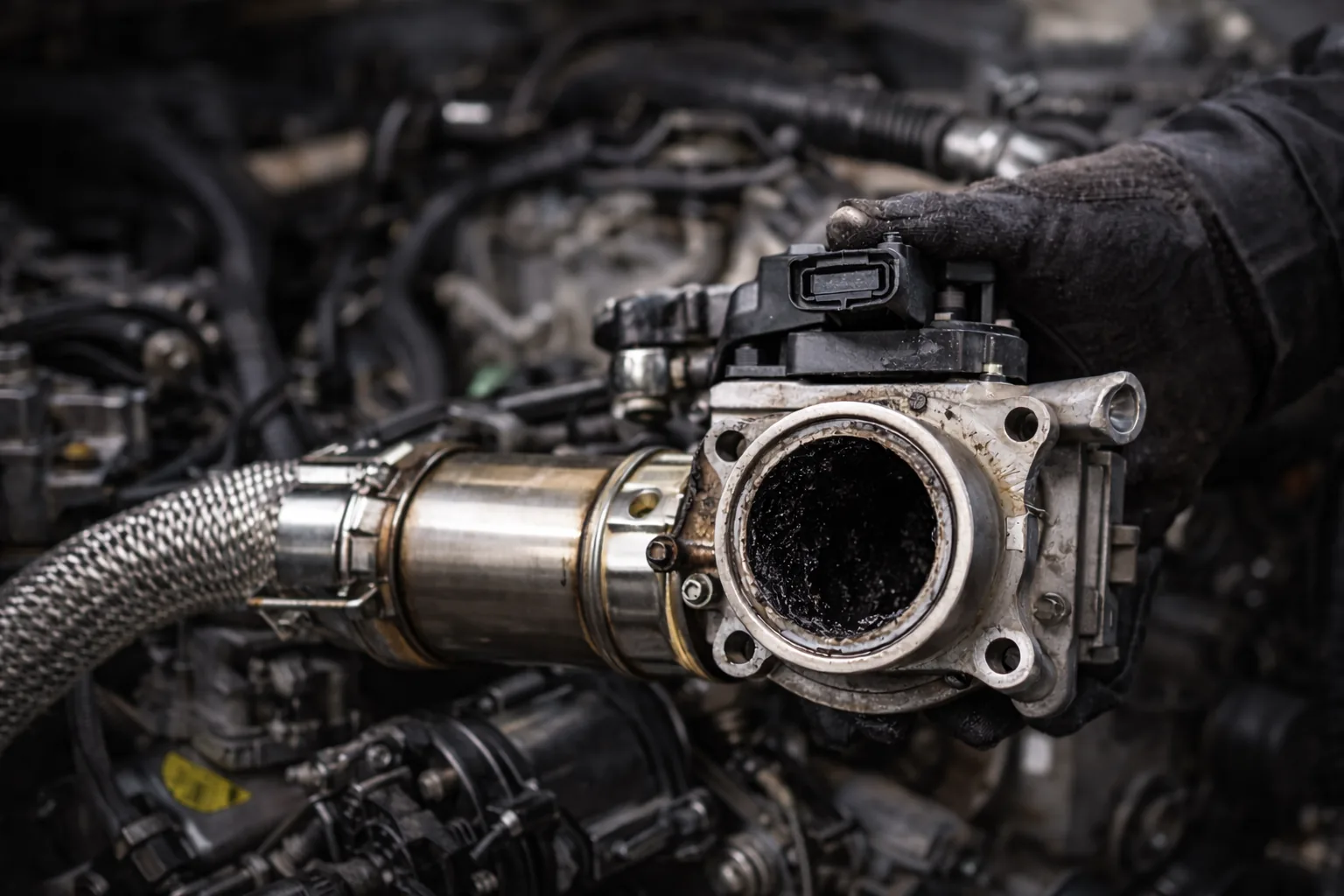
Qué es la válvula EGR y cuál es su función en el motor
Related Articles
EGR-DPF-Catalyst Interaction Emissions-Related Limp Mode EGR Error Codes Symptoms of a Dirty or Faulty EGR Valve and How They Affect Engine Performance Related Services EGR Delete